1. Trà Thiết Quan Âm là gì?
Trà Thiết Quan Âm (Tie Guan Yin Tea), còn gọi là Iron Goddess, là một trong “Thập đại danh trà” nổi tiếng của Trung Quốc. Đây là dòng trà ô long thượng hạng với hương thơm quyến rũ của hoa lan, vị ngọt thanh dịu, mang lại cảm giác thư thái và yên bình.
Nguồn gốc & Truyền thuyết
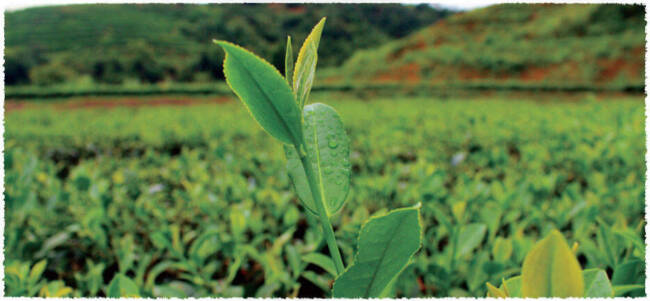
hình dáng cây trà Thiết Quan Âm
- Xuất xứ: vùng Anxi, Phúc Kiến, Trung Quốc.
- Truyền thuyết kể rằng một người nông dân ngoan đạo thường dâng trà cho tượng Quan Âm. Trong mơ, ông được dẫn đến một hang động có cây trà kỳ lạ – chính là nguồn gốc của Thiết Quan Âm.
- Lịch sử ghi nhận loại trà này xuất hiện từ thế kỷ 18, gắn liền với tên tuổi người nông dân tên Wei Yin.
Xem thêm tại: Thiết Quan Âm kỳ truyện
Đặc điểm của trà Thiết Quan Âm
- Hình dáng lá: xoắn chặt, phủ lớp sương trắng mỏng.
- Nước trà: màu vàng kim hơi xanh, trong trẻo.
- Hương vị: ngọt ngào, ít chát, hậu vị thơm lâu, nổi bật hương hoa lan.
- Độ cao trồng lý tưởng: 800 – 1000m, giúp cây hấp thụ khí hậu trong lành, cho hương vị đậm đà.
Các loại Thiết Quan Âm
- Thiết Quan Âm rang: hương vị hạt rang, cánh trà màu nâu đỏ.
- Thiết Quan Âm xanh: hương hoa lan lôi cuốn, viên trà màu xanh cát, vị tươi mát, ngọt dịu.
Giá trị & Trải nghiệm
- Được mệnh danh là “Nữ hoàng trà Ô Long”, Thiết Quan Âm không chỉ là thức uống mà còn mang giá trị tinh thần và văn hóa.
- Khi thưởng trà, người dùng cảm nhận sự êm dịu, ngọt ngào lan tỏa trong cổ họng, cùng hương hoa thanh lịch lưu lại lâu dài.
- Thích hợp để thưởng thức cùng bạn bè yêu trà hoặc trong những khoảnh khắc tĩnh lặng một mình.
2. Sản phẩm trà Thiết Quan Âm Long Đỉnh
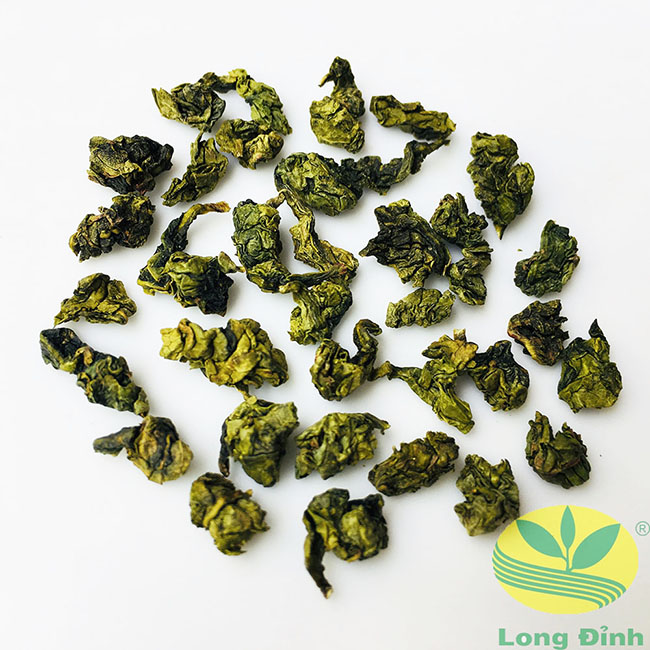
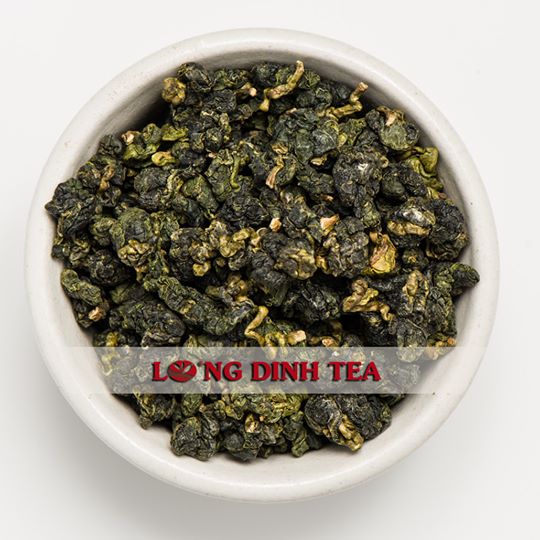
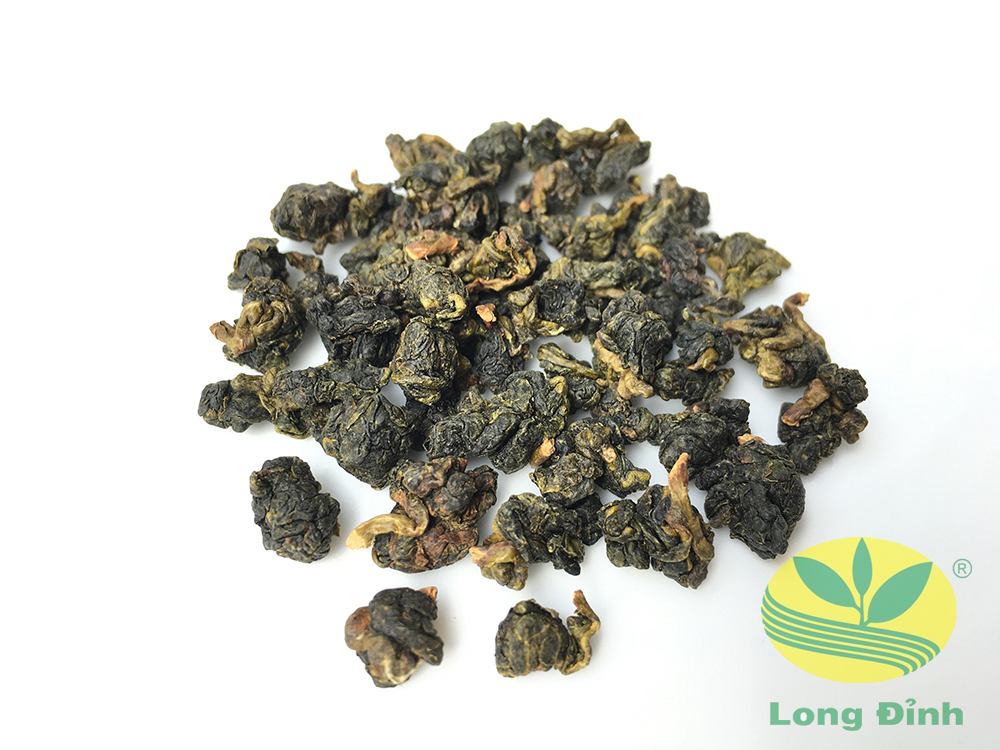
viên trà Thiết Quan Âm màu xanh cát, giống đầu chuồn chuồn
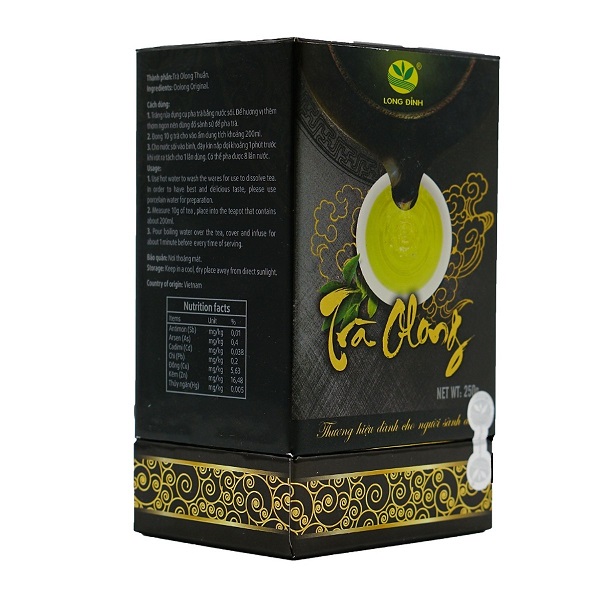
- Khối lượng tịnh: 100g
- Giá bán: 320,000 VNĐ
- Xuất xứ: nhà máy trà Long Đỉnh – sản xuất hữu cơ, thủ công, hương vị khác biệt so với trà Trung Quốc truyền thống, gần giống Thiết Quan Âm Đài Loan.
- Quy trình sản xuất: đạt chuẩn VietGAP & ISO 22000:2018, đảm bảo an toàn và chất lượng.
3. Cách pha trà Thiết Quan Âm
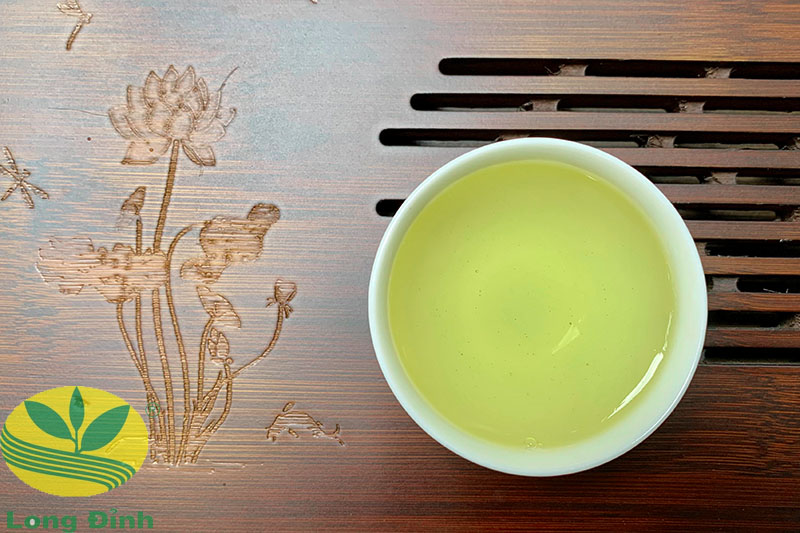
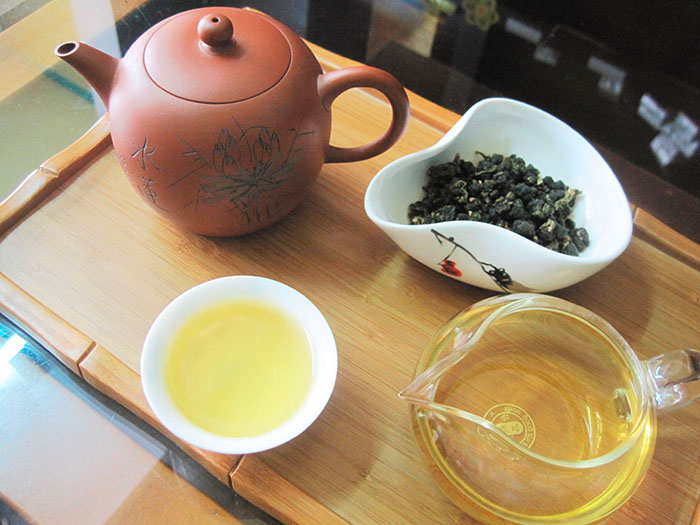
màu nước trà Thiết Quan Âm xanh trong
- Dụng cụ: Ấm trà, chén tống, ly uống trà.
- Nhiệt độ nước: 92-95 độ C.
- Tỉ lệ trà và nước: 1 gram trà – 20 ml nước.
- Các bước pha trà:
- Làm nóng ấm chén và tráng trà.
- Hãm trà trong 50 giây.
- Dốc trà ra chén tống.
- Rót trà ra ly và thưởng thức.
4. Mua trà Thiết Quan Âm ở đâu?
- Showroom Long Đỉnh: 493/64 Lê Đức Thọ, P. An Hội Đông, TP. Hồ Chí Minh
- Hotline/Zalo: 0947 834 849
- Email: info.huongtraviet@gmail.com
Nguồn: https://huongtraviet.com/san-pham/tra-thiet-quan-am